

I wasn’t feeling any motivation at that moment; it sure as hell didn’t save me the day when a former client looked at a 717% sales increase and decided my competence still needed an explanation.
Discipline did.
If you read my case study, A Client’s Prejudice Pushed Me Out of Consulting, you know the numbers.
Broken links fixed, keyword strategy rebuilt, organic sessions up 449%, and a Shopify store that still managed to make my melanin the headline instead of my work.
What that post didn’t give you was the system.
The actual mechanics of how a man gets up the next morning and keeps building after somebody tried to shrink him in one sentence.
That’s what we’re covering today. Not the feeling. The formula to use with these steps.
Because here’s a truth a person not suggesting self-help won’t tell you straight: motivation is a mood, and moods sure as hell don’t pay invoices.
Discipline over motivation isn’t a hashtag that exists on Instagram; it’s a real hammer in our lives.
You pick it up whether you feel like swinging it or not, and eventually the wall comes down anyway.
Step 1: Separate the Insult From the Invoice
Knowing their SEO campaign was running smoothly, they noticed something didn’t register.
The first move after that client’s comment wasn’t therapy. It was math.
I had a 717% increase sitting in my laptop and a grown man’s ignorance on the other side of a phone call.
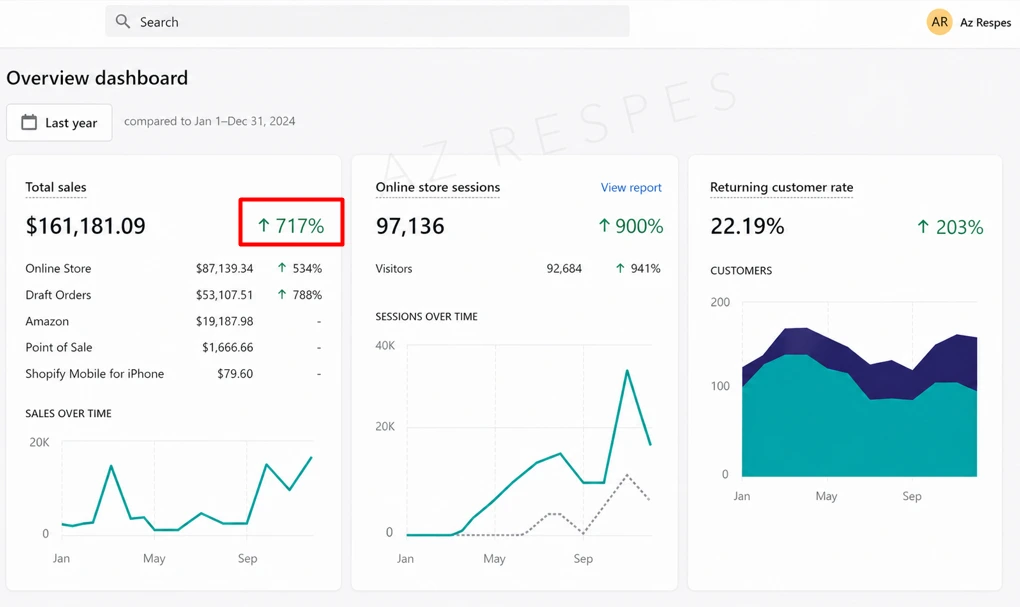
Only one of those was going in my portfolio.
Discipline over motivation starts here, at the split of reward and personal reaction. Knowing you have those split seconds to decide what you do at that time.
You take the result, you take the receipt, and you let the insult stay exactly where it landed, on him, not on you.
Most people like to mix the two together.
They let one bad comment audit their entire self-worth as if they hold the credentials to do so. It doesn’t.
A man who needs to ask if you sound black has already told you everything about his range, and none of it includes yours.
Remember that your value is worth more than a person’s opinion as long as you continue believing in yourself.
How to apply this today
Write down the actual result of your last hard project; especially key wins and areas that are improving.
Then write down the last thing someone said to diminish the work put in.
Cross out the second one. That’s the whole exercise. It’s not therapy; it’s triage.
Step 2: Build the System Before You Need the Willpower
Motivation shows up when the lighting is good. Discipline shows up in the dark, no invite required.
The reason I could walk away from that contract without losing my footing is that my business wasn’t built on that one client’s approval.
It was built on a system: audits, keyword research, on-page optimization, repeated on every account whether I was inspired that Tuesday or not.
First things first, I always run a full site audit to spot the technical issues and any content gaps.
From there, we start researching target keywords based on their industry and business goals.
After that, we can update or rewrite on-page content with those keywords in mind.
Finally, I review the changes and track results, making notes for the next round.
This system runs like clockwork, regardless of how motivated I feel.

When the racism showed up, the system didn’t blink. It just kept running, because it was never emotionally invested in that man’s opinion of me in the first place.
But here’s the thing: you’re not a machine, nor am I, and those moments still hit hard.
I had to let myself feel it, talk to someone I trusted, and remind myself that caring for my mental state is just as important as the work.
The key for me to put at the forefront is that discipline means showing up, and it also means knowing when to pause and get support.
This is the part people skip. They want the confidence without the scaffolding.
But confidence is a tenant, and discipline is the landlord. You build the building first.
How to apply this today:
Identify one task in your work you currently only do “when you feel like it.”
For example, I used to write monthly client progress summaries only when I felt motivated, which meant they were sometimes pushed back or rushed.
Now, I block off time for it first every Monday, and I follow the same checklist for each report: pull analytics, summarize wins, log challenges, outline next steps.
Turn your own task into a checklist step you do at a set time, every time.
Remove the feeling from the equation entirely.
Step 3: Let the Numbers Argue So You Don’t Have To
I never once had to defend my skills to that client.
The 449% increase in organic sessions did that job without raising its voice.
Discipline over motivation means you put in the reps long before anyone questions you, so that when they do, the receipts are already sitting on the table, receipts talking louder than any comeback you could type in the moment.
Think of a daily non-negotiable task tied to your goals, like spending ten minutes each morning reviewing your numbers or tracking your results.
This consistent action quietly compounds evidence, building confidence before you need it.
That’s not passive. That’s premeditated.
You’re not reacting to bias; you’re preloading the evidence, making it irrelevant.
Most of the time, successful men like Obama don’t win arguments by yelling over the room.
They win them by being prepared, while owning the room, having nothing left to push against.
Same principle, just on a different podium.
How to apply this today:
Before your next client call, difficult conversation, or performance review, write down three measurable results you can point to.
For example: mention increased sales by 10% over the last quarter with one marketing channel, or improved draft orders by 15%.
Start with numbers like these, so you’re ready to point directly at your impact.
Not feelings. Numbers. Let them do the talking.
Step 4: Protect the Exit, Not Just the Entrance
Everybody talks about starting strong. But nobody talks about leaving something strong.
I could have kept that income flowing, swallowed the comment, and kept collecting checks.
But using discipline over motivation isn’t just about pushing through; sometimes it’s about knowing exactly when pushing through becomes pushing yourself into disrespect.
That relationship ended on the right terms, with the work already delivered and the results already proven.
For example, I scheduled a short meeting with my client, clearly stated my reasons for leaving, and thanked them for the experience.
That’s not quitting. That’s closing the chapter on your book instead of letting someone else write your ending.
A disciplined exit protects your reputation just as a disciplined entrance builds it.
Both are chapters. Make sure you’re the author of both.
When it is time to move on, speak your decision clearly and humbly.
Thank people for the opportunity, give proper notice, and deliver any final work at your usual standard.
Leave room for future opportunities and maintain a level of professionalism, even as you close one chapter.
After your last day, consider sending a follow-up thank-you note, and connect on LinkedIn to show your appreciation and keep the lines of communication open.
These little steps help keep the relationship strong, making it easier to collaborate again in the future.
How to apply this today:
If you’re in a situation where your competence is being questioned instead of your work, ask yourself: am I still here because of discipline, or because I’m scared to lose the income?
Those are two very different reasons, and only one of them respects you.
Step 5: Turn the Reps Into a Routine You Don’t Negotiate With
This is the whole ball game. Discipline over motivation isn’t a one-off decision you make in a problem.
It’s a different type of rep you repeat until it becomes who you are, rather than something you’re trying to be.
For us, that could look like performing daily exercises every morning, or getting in the habit of creating a checklist to make sure your main project is on track, or feeling burned out.
It could be sending a productive update to a client before they ask, or just making sure your documentation is up to date after every task.
These small habits, stacked one after another, build real muscle.
After that company, I didn’t take a season off to feel better.
I took the next opportunity. Kept it moving with the next audit.

That next 717% case study was waiting to happen somewhere else, for somebody else, because the system doesn’t give a damn who doubted it last week.
It just runs like a scoop on a wheel.
This is the whole philosophy behind what I call a Mental Rep: not a big, dramatic transformation.
A small, repeatable, disciplined action you take today, regardless of how today is acting towards you.
One rep or issue doesn’t change your life.
A thousand of them, stacked without needing motivation to show up first, absolutely will.
Why This Beats “Just Stay Motivated” Advice
When you search on social and see “discipline over motivation,” you’ll find a thousand posts telling you discipline wins.
All facts, but there’s something deeper than that.
Almost none of them show you the receipts—meaning the hard evidence and honest breakdowns—of what staying disciplined actually costs or creates.
And by bias, I’m talking about the judgments and personal opinions from those around you or even your own self-doubt that end up being the real test of whether your discipline holds.
That’s the gap this post fills as an example. Not another quote graphic for your IG.
The discipline we’re talking about is a system tested under conditions even the most productive experts ever had to survive: a client who turned a 717% turnaround into a comment about how I sound.
Again, discipline over motivation isn’t theoretical when your paycheck and your dignity are on the same table.
It’s the only thing that keeps your hands calm enough to keep working.
The Message
Bias will always try to rise up to make itself the main character of your story. Don’t let it.
Let your results write the headline, let your discipline write the chapters, and let people like those who are small-minded become nothing more than a footnote you barely remember by the time your next win drops.
Motivation is what people feel about you. Discipline is what you do regardless of what people feel about you.
Pick the one that doesn’t need an audience, that doesn’t need the applause, or doesn’t need anyone’s permission to keep going.
If you’re ready to build that mind muscle instead of just talking about it, start with one Mental Rep today.
A Mental Rep is a small, intentional exercise for your mind—just like lifting a weight, but for your mindset.
For example, when a negative thought pops up, pause and intentionally reframe it into something constructive.
It’s free, it takes minutes, and it’s the same small discipline that turned one racist comment into a 717% receipt with his name nowhere on it.