

Most fitness keyword lists are not very helpful.
The list often throws hundreds of random words at you (“treadmill”, “yoga”, “diet”) with zero context. No intent. No idea which page to build. No clue which terms bring paying members and which bring tire kickers looking for a free workout PDF.
This list is different. Each keyword is organized by who it’s for and what the searcher wants to buy. There are separate sections for gym owners, personal trainers, strength coaches, and supplement brands.
You can also download the full sheet for free. It includes intent labels, funnel stages, and the recommended page type for each keyword.
Download the Free Fitness Keyword Cheat Sheet
Why Most Fitness Keywords Fail (And What Works in 2026)
Here is a real example from this site.
Over the past few months, this page appeared in Google 2,516 times for searches such as “fitness keywords,” “keywords for health and fitness,” and “personal training keywords.” It received only one click.
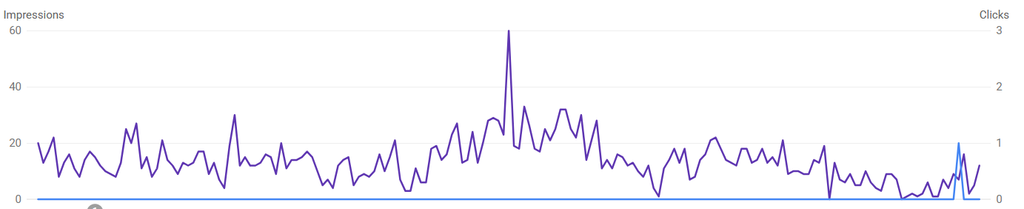
One.
Why did this happen? Because the old version was just a list. Google ranked it at about position 43, which is on page five. Most people never look that far.
The pages that sit on page one for these terms do three things the old page did not.
- They group keywords by business type, so a gym owner and a supplement brand each find their own list fast.
- They label search intent, so you know which terms drive sales and which only drive traffic.
- They show you what page to build for each keyword, so the list turns into a content plan.
That is what this rewrite does. The fitness industry is crowded with big players like Exercise.com, WordStream, and Teamup. You will not beat them on “fitness”. Instead, beat them on the specific, high-intent searches they ignore.
The Fitness Keyword List by Business Type
Here is a sample from the full sheet. First, intent is explained as follows: ‘Buy’ means the searcher is ready to make a purchase. ‘Compare’ means they are looking at different options. ‘Learn’ means they want information first, which is useful for content and collecting emails.
| gym near me | Gyms | Buy | Google Business Profile + homepage |
| 24 hour gym [city] | Gyms | Buy | Location page |
| gym membership deals [city] | Gyms | Buy | Pricing page |
| gym with sauna near me | Gyms | Buy | Amenities page |
| group fitness classes [city] | Gyms, studios | Buy | Class schedule page |
| hiit classes near me | Studios | Buy | Class page |
| women only gym [city] | Gyms | Buy | Landing page |
| best gym for beginners | Gyms | Compare | Blog post |
| how much is a gym membership | Gyms | Learn | Blog post + pricing link |
| personal trainer near me | Trainers | Buy | Service page |
| personal trainer [city] | Trainers | Buy | Location page |
| online personal trainer | Trainers | Buy | Service page |
| personal trainer for weight loss | Trainers | Buy | Service page |
| how much does a personal trainer cost | Trainers | Compare | Blog post + pricing |
| in home personal trainer | Trainers | Buy | Service page |
| is a personal trainer worth it | Trainers | Learn | Blog post |
| strength coach near me | Strength coaches | Buy | Service page |
| sports performance training [city] | Sports performance | Buy | Program page |
| youth sports performance training | Sports performance | Buy | Program page |
| powerlifting coach online | Strength coaches | Buy | Service page |
| best pre workout | Supplement brands | Compare | Roundup or product page |
| best protein powder for muscle gain | Supplement brands | Compare | Roundup |
| creatine monohydrate benefits | Supplement brands | Learn | Blog post |
| eaa vs bcaa | Supplement brands | Compare | Comparison post |
| stim free pre workout | Supplement brands | Buy | Product page |
| third party tested supplements | Supplement brands | Compare | Trust page |
| [brand] review | Supplement brands | Compare | Review page |
| best gym shorts for men | Fitness brands (apparel) | Compare | Collection page |
| squat proof leggings | Fitness brands (apparel) | Buy | Product page |
| best lifting shoes | Fitness brands (apparel) | Compare | Roundup |
| workout plan for beginners | All | Learn | Lead magnet post |
| how to stay consistent at the gym | All | Learn | Blog post |
| gym motivation tips | All | Learn | Blog post |
| fitness challenge [month] | Gyms, trainers | Learn | Campaign page |
Want the other 150+ keywords, split into sections for gyms, trainers, supplement brands, apparel, and question keywords?
Grab the free cheat sheet below to keep going.
Gym and Fitness Center Keywords
Gyms depend heavily on local search. So the
most valuable keywords usually include a location, such as “near me” or a city name. Because of this, two pages are more important than any blog post: your Google Business Profile and a strong page for each location.
Keep in mind that posting reliable content still helps. For example, posts like “how much is a gym membership” can still catch people a few weeks before they sign up. You can link each one back to your pricing pages so the reader or future member has a next step. For a full local playbook, check out my guide to gym SEO.
Personal Trainer and Strength Coach Keywords
Trainers often have an advantage over gyms. For example, keywords like “online personal trainer” and “powerlifting coach online” aren’t limited to one city, so that an individual coach can compete nationwide.
The key is to focus on a specific niche. Competing for “personal trainer” is tough, but targeting terms like “personal trainer for women over 40” or “sports performance coach for high school athletes” lets you speak directly to potential clients.
Supplement Brand Keywords
Supplements sit in Google’s YMYL (Your Money or Your Life) zone. That means Google holds health products to a higher standard, so your content needs real experience and real proof: lab results, ingredient sources, and reviews from someone who actually used the product.
Comparison keywords like “EAA vs BCAA” and “best pre workout” work well for supplement brands. You can see an example of my first-hand product review in my GET RAW EAA review.
How to Pick the Right Keywords for Your Fitness Website
A keyword list is only helpful if you choose the right terms. Here’s the four-step process I use with clients at DMC Nation.
- Begin with Google Search Console. Go to Performance, then Queries, and sort by impressions. Any keyword ranked between positions 8 and 30 is your best opportunity. Since Google already favors your site for these terms, one good update can move them to page one.
- Check the search intent before looking at search volume. Search the keyword yourself. If the first page is filled with product pages, a blog post will not rank well. Create the type of page that Google is already displaying.
- Use keyword research tools to get the numbers. Ahrefs, Semrush, and Keyword Planner (in Google Ads) all provide search volume and keyword difficulty. If your site is new, look for keywords with a difficulty score under 20.
- Assign one main keyword to each page. If two pages target the same term, your traffic will be divided. The free cheat sheet includes a “Page to Build” column to help you avoid this issue.
One more thing most SEO tips miss. Choosing keywords is the easy part. The real challenge is publishing consistently every week, even if your traffic doesn’t grow right away. If you want help staying consistent, I wrote an ebook called Mental Reps about this mindset. The same discipline that builds a strong body also helps you grow organic traffic.
Get the Full Fitness Keyword Cheat Sheet (Free PDF)
The cheat sheet has every keyword from this post plus 150+ more, each labeled with search intent and the page to build, plus a 4-step plan for checking volume in your tool of choice.
Sections cover gym keywords, personal trainer and strength coach keywords, supplement brand keywords, fitness apparel keywords, question keywords for blog content, and local modifiers.
Drop your email now, and I’ll send the cheat sheet to your inbox in under a minute.
If you need help with this process, book a free SEO audit now. I will show you which keywords your site has the best chance to rank for first.
FAQ
What are the best keywords for fitness businesses?
The best fitness keywords match buyer intent and location. For gyms, that means phrases such as “gym near me” and “24 hour gym [city]”. For trainers, “online personal trainer” and “personal trainer for weight loss”. For supplement brands, comparison expressions such as “best pre workout” and “eaa vs bcaa”.
What keywords work well for a low-traffic fitness website?
That depends on your users’ intent. Use long-term phrases with low difficulty. Pick specific searches like “stim free pre workout” or “hiit classes in the [neighborhood/city/county]” instead of broad expressions like “fitness” or “workout”. Smaller searches convert better, and newer websites rank faster for them.
How many keywords should one page target?
Go after one main primary keyword that can generate a handful of variation terms. A page for “personal trainer [city]” can rank for “personal training [city]” and “fitness coach [city]” too. Separate topics need to have separate pages.
Do fitness keywords work for Google Ads too?
Yes, you can use the same list for Google Ads. Bid on “Buy” keywords, and use “Learn” keywords for blog content. This approach is more cost-effective than paying for clicks on informational searches.